
Free iPhone from Government: Check Your Wireless Assistance Options
Searching for a free iPhone from government support programs? Eligible consumers may qualify for Lifeline-supported wireless service through participating providers, and depending on the provider, your state, and current inventory, a device offer — including an iPhone in some cases — may be available. This site helps you understand eligibility, compare provider offers, and start your application with confidence.
Eligibility, provider participation, state availability, and device offers vary. This website is not a government agency; it is an independent resource that helps consumers understand and apply for Lifeline-supported wireless assistance. Terms and eligibility rules apply.




Get Started with Your Free Government iPhone
Four quick steps to understand where you stand before you apply.
Check Eligibility
Understand the basic Lifeline eligibility requirements, including income-based and program-based qualification.
Find Your State
Explore Lifeline availability and participating-provider information for your state or territory.
Free iPhone Options
Learn what device offers, including iPhone models, may be available through participating providers.
How to Apply
Understand the application process, the National Verifier, and the documents you may need.
What Is a Free iPhone from Government?
“Free iPhone from government” is a phrase many people search for when they’re trying to lower their monthly phone bill or replace an aging device they can no longer afford. It’s important to understand what that phrase actually refers to: the federal government does not operate a program that ships iPhones directly to consumers. What does exist is Lifeline, a federal program overseen by the Federal Communications Commission (FCC) that provides a monthly discount on phone or internet service for income-eligible households.
Lifeline itself does not distribute phones. Instead, the discount is passed through participating wireless providers, who are private companies approved to offer Lifeline-supported service in specific states. Some of these providers choose to offer a free or low-cost smartphone — and in certain cases, a refurbished or promotional iPhone — to new customers who qualify, as a way to get eligible households connected. Whether a device is available, which model is offered, and whether it’s an iPhone at all depends entirely on the individual provider, their current inventory, and your location.
In short: eligibility is determined by federal and state Lifeline rules, while device availability is determined by participating providers. This site walks you through both halves of that equation so you can see where you stand and compare current provider offers, including Lifeline iPhone and free government phone options, without exaggerated promises.
How the Free iPhone Government Program Works
Four steps from checking eligibility to reviewing a provider’s offer.
Check Eligibility
Review income-based eligibility or confirm participation in a qualifying assistance program such as SNAP, Medicaid, or SSI.
Prepare Documents
Gather identification, proof of address, and documentation of your income or program participation before you begin.
Complete the Application
Apply through the official Lifeline National Verifier or a participating provider, who will confirm your eligibility.
Choose an Available Offer
Once approved, review the service plan and any device offer available from your participating provider.
Who May Qualify for a Free iPhone From Government?
Lifeline eligibility runs through two main routes. You only need to qualify through one of them.
Route 1: Income-Based Eligibility
Your household may qualify if your total gross income is at or below 135% of the federal poverty guidelines for your household size and state. These guidelines are published annually by the U.S. Department of Health and Human Services and used directly by the Lifeline program.
Route 2: Program-Based Eligibility
You may also qualify if you, or someone in your household, currently participates in a qualifying federal or Tribal assistance program, such as SNAP, Medicaid, or SSI. Participation alone is generally enough to establish eligibility.
One benefit per household. Lifeline rules allow only one Lifeline discount per household, not per person. A “household” is defined as any individual or group of individuals living together at the same address who share income and expenses. If more than one person in your household separately qualifies as an individual, only one Lifeline benefit may still be used at that address unless each qualifying individual maintains a genuinely separate household.
Free iPhone with SNAP, Medicaid, SSI & Other Qualifying Programs
SNAP
Supplemental Nutrition Assistance Program participants generally qualify for Lifeline on the program-based route. This is one of the most common ways households qualify.
Medicaid
Current Medicaid enrollment is an accepted qualifying program for Lifeline in every participating state, making it one of the broadest paths to eligibility.
Supplemental Security Income (SSI)
Recipients of Supplemental Security Income may qualify for Lifeline through the program-based eligibility route, in addition to any income-based qualification.
Federal Public Housing Assistance
Households receiving Federal Public Housing Assistance, including Section 8, are recognized as eligible under Lifeline’s program-based qualification.
Veterans & Survivors Pension
Veterans and survivors receiving the Veterans Pension or Survivors Pension benefit may qualify for Lifeline through this dedicated qualifying program.
Tribal Assistance Programs
Consumers on qualifying Tribal lands who participate in programs like Tribal TANF, Bureau of Indian Affairs General Assistance, or FDPIR may also qualify for an enhanced Tribal Lifeline benefit.
Free iPhone with Lifeline: Income Eligibility Guidelines
If you don’t participate in a qualifying assistance program, you may still qualify for Lifeline based on your household income alone. The threshold is set at 135% of the federal poverty guidelines, which are published annually by the U.S. Department of Health and Human Services and adjust for household size.
As a general reference point, a one-person household in the 48 contiguous states and D.C. has recently qualified with an annual gross income at or below approximately $21,500, with the threshold rising for each additional household member and differing in Alaska and Hawaii. Because these guidelines update every year, always confirm the current figures through the official Lifeline consumer site or the National Verifier before you apply, rather than relying on a number you saw elsewhere online.
ILLUSTRATIVE EXAMPLE — 135% FPL, 48 STATES
Illustrative figures based on recent guidelines; thresholds rise for each additional household member and differ in Alaska and Hawaii. Confirm the current-year amount before applying.
Free iPhone Models Available Through Lifeline Providers
Participating providers occasionally include iPhone models like these among their device offers for approved Lifeline customers. Device inventory, model, condition, and eligibility requirements vary by provider, state, and promotion — availability is never guaranteed.
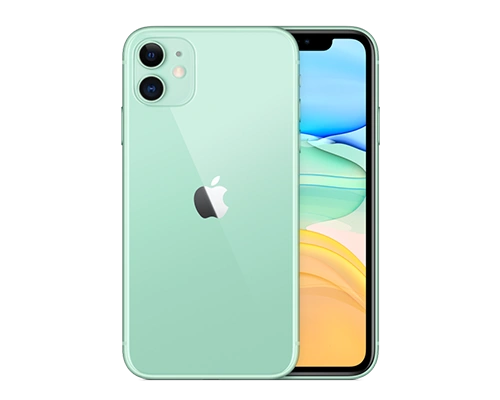
iPhone 11
An entry-level model some providers include in promotional device offers. Availability varies.

iPhone 13
A mid-range model occasionally featured in select provider promotions, subject to stock and eligibility.
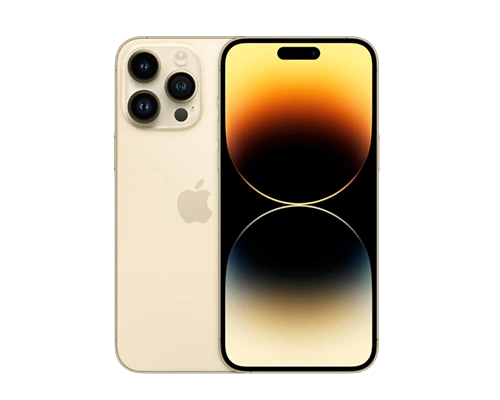
iPhone 14
A newer model that may appear in limited-time provider promotions where inventory allows.
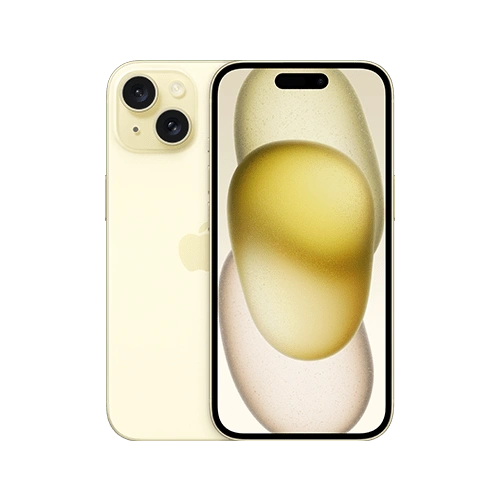
iPhone 15
A newer-generation model that, when available, is typically limited to select providers and zip codes.
Device photos are for illustration. Model, color, condition (new or refurbished), and storage capacity offered by a provider may differ from what is shown.
What’s Included With Your Free Government Phone Plan
Service benefits depend on the provider and plan you choose after approval. A typical Lifeline-supported wireless plan may include:
Monthly Wireless Service
A discounted or no-cost monthly plan from your chosen provider, depending on eligibility and plan tier.
Talk & Text
Monthly voice minutes and text messages, with allowances that vary by provider and plan.
Mobile Data
A monthly data allowance for browsing, email, and apps, sized according to the provider’s plan — not universally unlimited.
Possible Device Offer
A free or discounted smartphone, depending on provider and current inventory — not guaranteed at every provider.
Some providers also include 4G or 5G coverage where their network supports it, and select plans may offer mobile hotspot capability. Confirm exact plan details, including data speed and hotspot availability, directly with the provider before enrolling.
Before You Apply
Having these on hand can help your application move faster, whether you apply through the National Verifier or directly with a participating provider.
Documents Needed to Apply for a Free Government iPhone
The exact documents requested can depend on whether you’re applying through income eligibility or program-based eligibility, and on the verification process your provider or the National Verifier uses. Commonly requested items include:
- Government-issued identification — such as a driver’s license, state ID, or passport, to confirm your identity.
- Proof of address — a recent utility bill, lease, or piece of official mail matching your application address.
- Proof of program participation — such as a benefit award letter or program ID card if applying through SNAP, Medicaid, SSI, or another qualifying program.
- Income documentation — such as recent pay stubs, a tax return, or a Social Security statement if applying through income eligibility.
You don’t need every document on this list — only what applies to the eligibility route you’re using. The National Verifier or your provider will tell you exactly what’s required for your situation.
What Happened to the Affordable Connectivity Program?
Many people searching for a free government iPhone are remembering the Affordable Connectivity Program (ACP), a separate federal program that helped households pay for home internet service and, through some providers, a discount toward a computer or tablet.
The ACP stopped accepting new enrollments in February 2024 and, after Congress did not approve additional funding, the program officially ended on June 1, 2024. As of now, ACP has not been renewed, and there is no dedicated federal program currently distributing free iPhones directly to consumers.
If you’re searching for “free iPhone ACP,” “ACP free iPhone,” or “free government iPhone ACP,” the accurate current answer is that ACP is no longer active. Consumers looking for current government-supported wireless assistance should look at the Lifeline program and its participating providers instead, which remains active and accepts new applications.
How Lifeline Providers Offer Free iPhones and Wireless Service
Lifeline and participating providers each play a different role in getting you connected.
The Federal Program Sets the Rules
The FCC and USAC establish who is eligible for Lifeline and how eligibility is verified nationwide.
Providers Choose Their Offers
Each participating provider sets its own plans, devices, and promotions within the program’s rules.
Availability Varies by State
Not every provider operates in every state, so your available plans and devices depend on where you live.
Device Selection Depends on Inventory
Whether a smartphone — or a specific iPhone model — is offered depends on what a provider currently has in stock.
Why Choose us for Lifeline Assistance
Navigating government wireless assistance programs can be confusing, especially with outdated information still circulating online about ACP. We built this site to make the current picture clear and useful:
- Clear eligibility information — explained in plain language, without exaggerated promises.
- Current program information — including the accurate status of Lifeline and the former ACP program.
- State-specific resources — because availability differs by location.
- Application guidance — a straightforward walkthrough of what to expect.
- Device and provider information — so you know what questions to ask before you apply.
What We Don’t Do
We’re not a government agency, and we don’t guarantee approval or a specific device. We won’t tell you every applicant gets an iPhone, because that isn’t true. Our goal is accuracy, not hype.
Free Government Smartphone: What Applicants Should Know
A few honest expectations before you start your application.
Approval Isn’t Automatic
Your eligibility must be verified against income or program-participation records before you’re approved.
A Device Isn’t Guaranteed
Some approved applicants receive a device offer and some don’t — it depends on the provider you choose.
You Can Compare Providers
Once approved, you’re generally free to choose among the participating providers available in your state.
Free iPhone Government Program: FAQ
Straight answers about Lifeline, ACP, and free iPhone offers.
Disclaimer: iphonegovfree.org is an independent, privately operated informational and referral resource. We are not the U.S. government, the Federal Communications Commission (FCC), the Universal Service Administrative Company (USAC), or any federal or state agency, and we do not make Lifeline eligibility determinations. Eligibility for Lifeline is determined according to applicable federal and state program rules and is verified through the official National Verifier or a participating provider. Provider participation, service plans, and device offers — including whether an iPhone or any specific model is available, vary by provider, state, and inventory, and are not guaranteed. The Affordable Connectivity Program (ACP) ended on June 1, 2024, and is no longer accepting enrollments or providing benefits; any reference to ACP on this site is for informational purposes only. Terms, conditions, and eligibility rules of individual providers apply and are subject to change without notice.